Managing ships in a multi-fuel era: Building operational confidence with new fuels
The headlines around decarbonisation continue to focus on engines and orderbooks. The shipping industry is

The headlines around decarbonisation continue to focus on engines and orderbooks. The shipping industry is
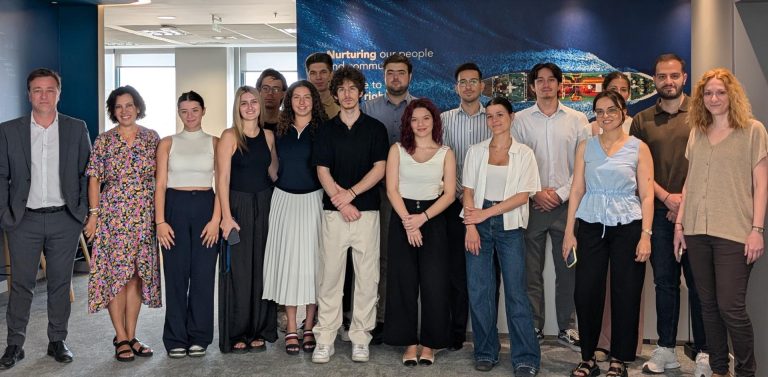
In Greece, our Hellas office welcomed the latest intake of its annual Internship Programme in July, bringing together students from four universities: the University of the Aegean, Alba Graduate Business School, the National Technical University of Athens and the University of Piraeus.
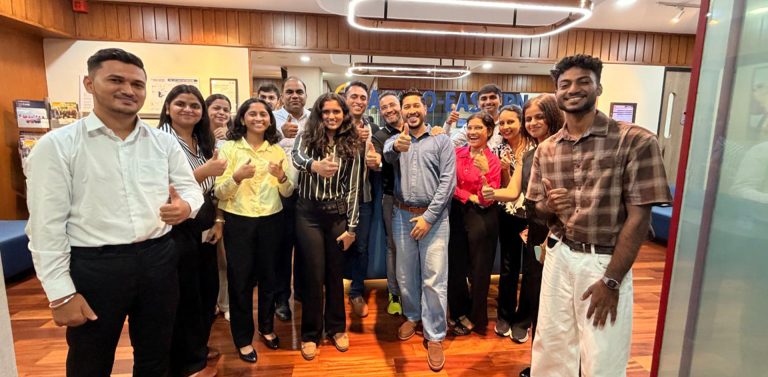
We welcomed the inaugural cohort of our Graduate Trainee Programme (GTP) in July, marking an important milestone in our commitment to developing future shore-based talent from within.
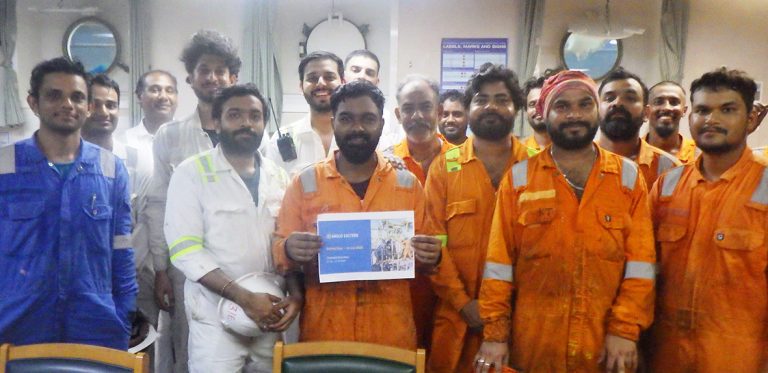
Anglo-Eastern’s second annual Safety Day on 14 July brought ship and shore together with a collective goal: to build a culture where mistakes lead to learning rather than blame.
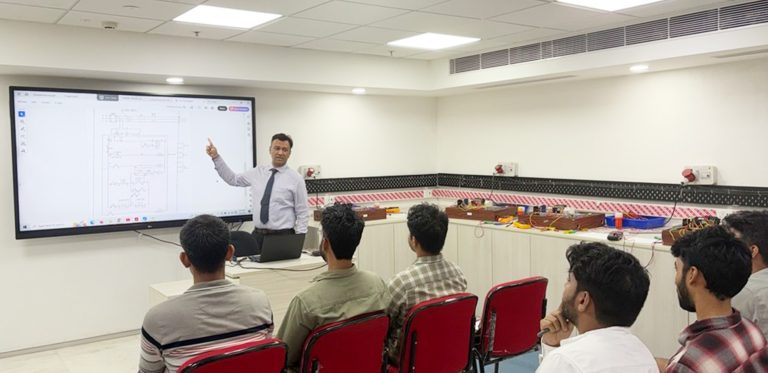
In this article, Prateek Wadhera, Training Superintendent at Anglo-Eastern Maritime Training Centre, Delhi (AEMTC Delhi) shares his experience of representing India at an International Maritime Organization (IMO) workshop on fuel supply chain traceability.
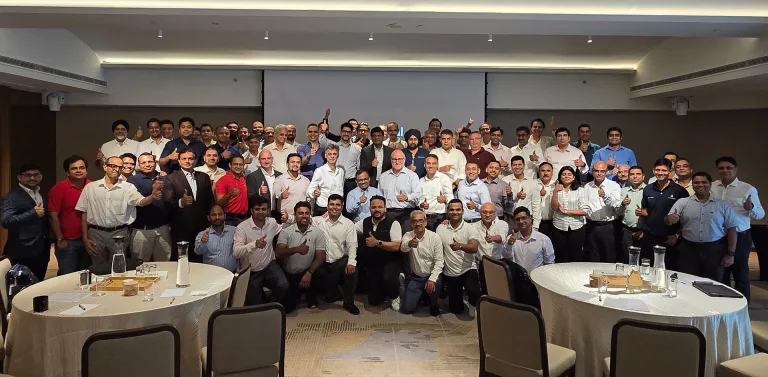
The inaugural Anglo‑Eastern Technical Summit brought senior leaders and technical experts from across the organisation together to share experience, strengthen collaboration, and align fleet standards amid an increasingly complex operational and geopolitical environment. Established this year, the four editions of the technical summit were held in Hong Kong (26–27 February), Singapore (26–27 March), Athens (4-5 May), and Antwerp (7-8 May).
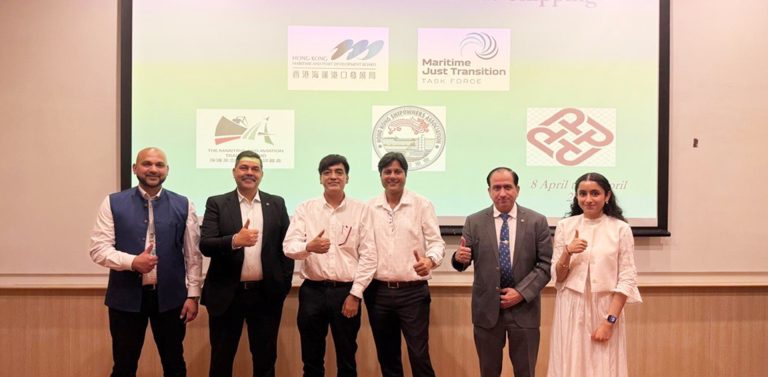
In April, Anglo Eastern took part in the world’s first government led Training the Trainer programme on Green Maritime Fuels, held in Hong Kong. The programme was organised by Hong Kong’s Maritime Just Transition Task Force (MTTF) and the Transport and Logistics Bureau, as part of their Action Plan on Green Maritime Fuel Bunkering to train green maritime fuel-related talent. Hosted by Hong Kong Polytechnic University and supported by the Hong Kong Shipowners Association, the three-day programme equipped maritime professionals with practical knowledge on emerging fuels including ammonia, methanol and hydrogen.
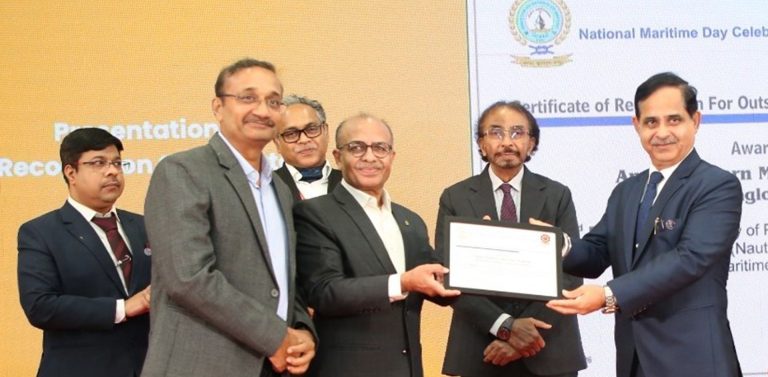
A consistent focus on training seafarers to the highest standards continues to strengthen the academy’s standing in maritime education.
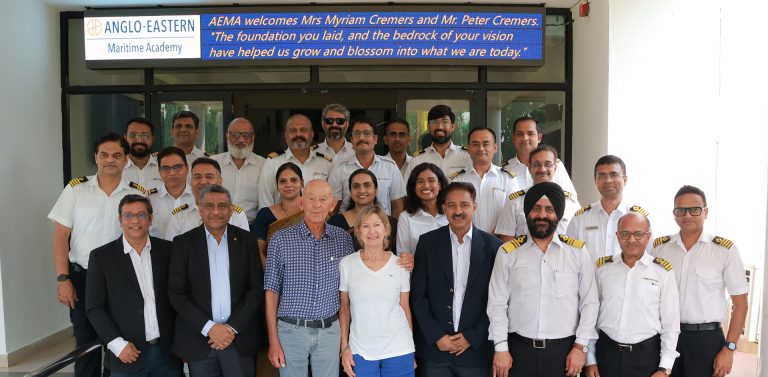
Peter Cremers, Chairman of the Board at Anglo-Eastern, returned in March to Anglo-Eastern Maritime Training Centre (AEMTC) in Mumbai and Anglo-Eastern Maritime Academy (AEMA) in Karjat, two world-class institutions shaped by his vision for maritime training.
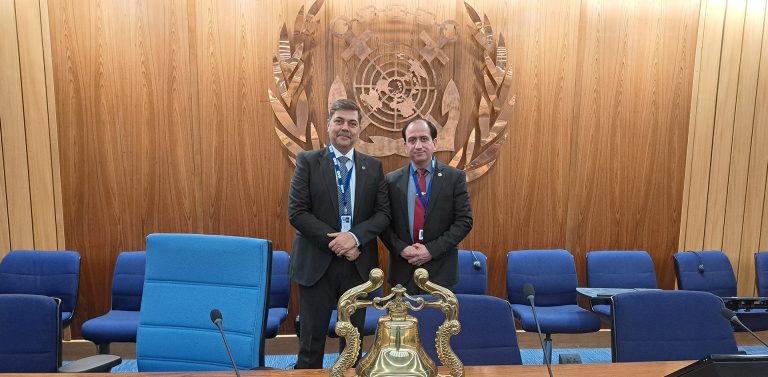
In February, we participated in the 12th session of the International Maritime Organization (IMO) Sub Committee on Human Element, Training and Watchkeeping (HTW 12), alongside the second Intersessional Working Group supporting its work (ISWG-STCW 2).
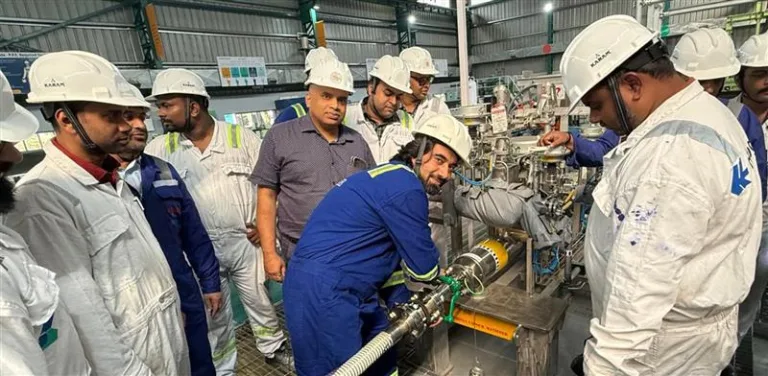
AEMTC has successfully completed its inaugural Pilot Training Course on Ammonia as a Marine Fuel, marking a significant advancement in preparing seafarers for the maritime industry’s transition toward cleaner and more sustainable propulsion technologies.

SIRE 2.0 is the enhanced, digital successor to the original programme. It introduces a risk-based, tablet-driven inspection regime that emphasises not only hardware and procedures but also human factors, such as crew competence and behaviour.